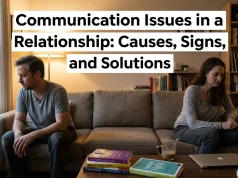

Communication Breakdown in Relationships
One of the most common relationship problems is poor communication between partners. When couples stop sharing thoughts, feelings, or concerns openly, misunderstandings begin to grow. Over time, silence can create emotional distance and frustration. Many people assume their partner should “just understand,” but this often leads to conflict. The solution is active communication—listening without interrupting and expressing feelings honestly. Instead of blaming, using “I feel” statements helps reduce tension. Regular conversations, even about small daily matters, strengthen emotional connection. In modern life, distractions like phones and social media also reduce meaningful interaction. Setting aside quality time to talk can significantly reduce relationship problems and rebuild trust between partners.
Trust Issues and Insecurity
Trust is the foundation of every strong relationship, yet it is often affected by past experiences or misunderstandings, leading to serious relationship problems. Insecurity can develop when one partner feels uncertain about loyalty or intentions. This may result in overthinking, jealousy, or constant questioning. To overcome trust issues, transparency is essential. Being honest about actions and intentions helps rebuild confidence. At the same time, both partners must avoid assumptions without evidence. Trust grows slowly, but it can be destroyed quickly. That is why consistent behavior and emotional reassurance matter. When couples focus on building emotional safety, many relationship problems related to trust naturally begin to fade over time.
Emotional Distance Between Partners
 Emotional distance is another major cause of relationship problems in modern relationships. It often happens when couples become too focused on work, stress, or personal responsibilities. As emotional connection weakens, partners may start feeling lonely even while being together. This distance does not happen overnight; it builds gradually through lack of attention and care. To fix this issue, couples need to spend intentional time together, share experiences, and show appreciation. Small gestures like asking about the day or expressing gratitude can rebuild emotional warmth. Emotional closeness requires effort from both sides. When nurtured properly, it helps reduce many underlying relationship problems and strengthens long-term bonding.
Financial Stress in Relationships
Money-related stress is one of the leading causes of relationship problems today. Differences in spending habits, financial pressure, or lack of planning can create tension between partners. When financial issues are not discussed openly, misunderstandings and blame often follow. The best way to manage this is through honest financial conversations. Couples should plan budgets together, set financial goals, and understand each other’s priorities. Transparency about income and expenses reduces hidden stress. Instead of arguing, working as a team helps create stability. Financial challenges are normal, but handling them together can actually strengthen the relationship. Proper financial communication can significantly reduce long-term relationship problems and build mutual trust.
Lack of Quality Time
Spending less quality time together is a growing reason behind relationship problems in modern life. Busy routines, work pressure, and digital distractions often leave little room for meaningful interaction. Even when couples are physically present, emotional presence may be missing. This creates feelings of neglect and disconnection. To solve this, partners should prioritize dedicated time for each other without distractions. Simple activities like eating together, walking, or having deep conversations can improve bonding. Quality matters more than quantity when it comes to time. Consistent efforts to stay connected help prevent emotional gaps. By valuing shared moments, couples can significantly reduce relationship problems and improve relationship satisfaction.
Unrealistic Expectations
 Unrealistic expectations often lead to disappointment and unnecessary relationship problems. Many people enter relationships expecting their partner to meet all emotional, social, and personal needs. However, no one is perfect, and expecting perfection creates pressure. When expectations are not met, frustration and conflict arise. The key to solving this issue is acceptance. Understanding your partner’s strengths and weaknesses helps build a balanced relationship. Instead of expecting change, focusing on appreciation creates harmony. Communication about expectations also prevents misunderstandings. When both partners understand what is realistic, they experience fewer emotional conflicts. Managing expectations wisely is an important step in reducing long-term relationship problems.
Jealousy and Overthinking
Jealousy and overthinking are emotional triggers that create many relationship problems. These feelings often come from fear, insecurity, or past experiences. When not controlled, they can lead to arguments, mistrust, and emotional stress. Overthinking usually causes people to imagine negative situations that may not even be real. The solution is self-awareness and trust-building. Instead of reacting quickly, it is important to communicate concerns calmly. Building confidence in the relationship reduces unnecessary doubts. Focusing on positive actions and avoiding assumptions helps maintain emotional balance. When both partners support each other emotionally, jealousy decreases naturally. Managing these emotions is essential to overcoming common relationship problems effectively.
Building Healthy Communication Habits
Healthy communication is one of the strongest ways to reduce relationship problems and create long-term emotional stability. When couples communicate clearly and respectfully, misunderstandings decrease, and emotional bonding improves. Many issues arise not from lack of love but from poor communication habits. Building a safe space where both partners can express their thoughts without fear is essential. It also helps to listen actively instead of reacting emotionally. Over time, good communication becomes a habit that strengthens trust and reduces conflicts. Small daily conversations can prevent major issues from developing and keep the relationship emotionally balanced and connected.
Key Points:
- Practice active listening without interrupting
- Use calm and respectful language during discussions
- Express feelings honestly instead of hiding emotions
- Avoid blaming and focus on solutions
- Make time for daily meaningful conversations
| Habit | Impact on Relationship |
|---|---|
| Active Listening | Builds trust and understanding |
| Honest Expression | Reduces confusion and stress |
| Calm Tone | Prevents unnecessary arguments |
| Daily Talks | Strengthens emotional connection |
| Solution Focus | Resolves issues faster |
Lack of Emotional Support
 Emotional support plays a vital role in maintaining a healthy relationship, and its absence often leads to relationship problems. When one partner feels unsupported during difficult times, emotional distance increases. People need understanding, encouragement, and empathy from their loved ones. Without this, relationships can feel empty or one-sided. To improve emotional support, partners should actively listen and validate each other’s feelings. Even small words of encouragement can make a big difference. Being emotionally available strengthens trust and connection. Supporting each other during challenges creates a strong foundation. When emotional support is consistent, many relationship problems naturally reduce, leading to a more stable and loving relationship.
Conflict and Argument Management
Every relationship experiences conflict, but how it is handled determines whether it becomes a serious relationship problem. Frequent arguments without resolution can damage emotional bonds. The key is not to avoid conflict but to manage it constructively. Calm discussions, respectful language, and listening to each other’s viewpoints help resolve issues effectively. Instead of winning an argument, focusing on understanding creates better outcomes. Taking breaks during heated moments also prevents escalation. Couples who learn healthy conflict resolution techniques tend to have stronger relationships. When disagreements are handled with maturity, they become opportunities for growth rather than destruction. Proper conflict management reduces many ongoing relationship problems.
Strengthening Emotional Connection
Emotional connection is the heart of any strong relationship, and its absence often leads to relationship problems. When partners feel emotionally connected, they support each other through challenges and enjoy a deeper bond. However, stress, routine life, and distractions can weaken this connection over time. Rebuilding emotional closeness requires effort, care, and consistency. Simple actions like showing appreciation, spending quality time, and understanding each other’s emotions can make a big difference. A strong emotional connection helps couples face difficulties together instead of growing apart, making the relationship more stable and fulfilling.
Key Points:
- Show regular appreciation and gratitude
- Spend distraction-free quality time together
- Share feelings and emotional experiences openly
- Support each other during stressful situations
- Practice empathy and understanding
| Activity | Emotional Benefit |
|---|---|
| Appreciation | Increases love and positivity |
| Quality Time | Strengthens bonding |
| Open Sharing | Builds emotional trust |
| Mutual Support | Reduces stress and conflict |
| Empathy | Improves understanding |
Conclusion
Relationship problems are a normal part of every relationship, but they can be managed with understanding and effort. Most issues arise from poor communication, unmet expectations, or emotional distance. By practicing honesty, active listening, and mutual respect, couples can rebuild trust and strengthen their bond. Spending quality time and offering emotional support also helps reduce misunderstandings. Instead of blaming each other, focusing on solutions creates lasting harmony. With patience and commitment, relationship problems can be turned into opportunities for growth, leading to a healthier, more stable, and loving relationship over time.