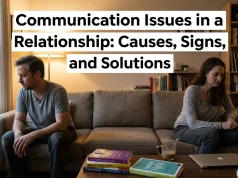
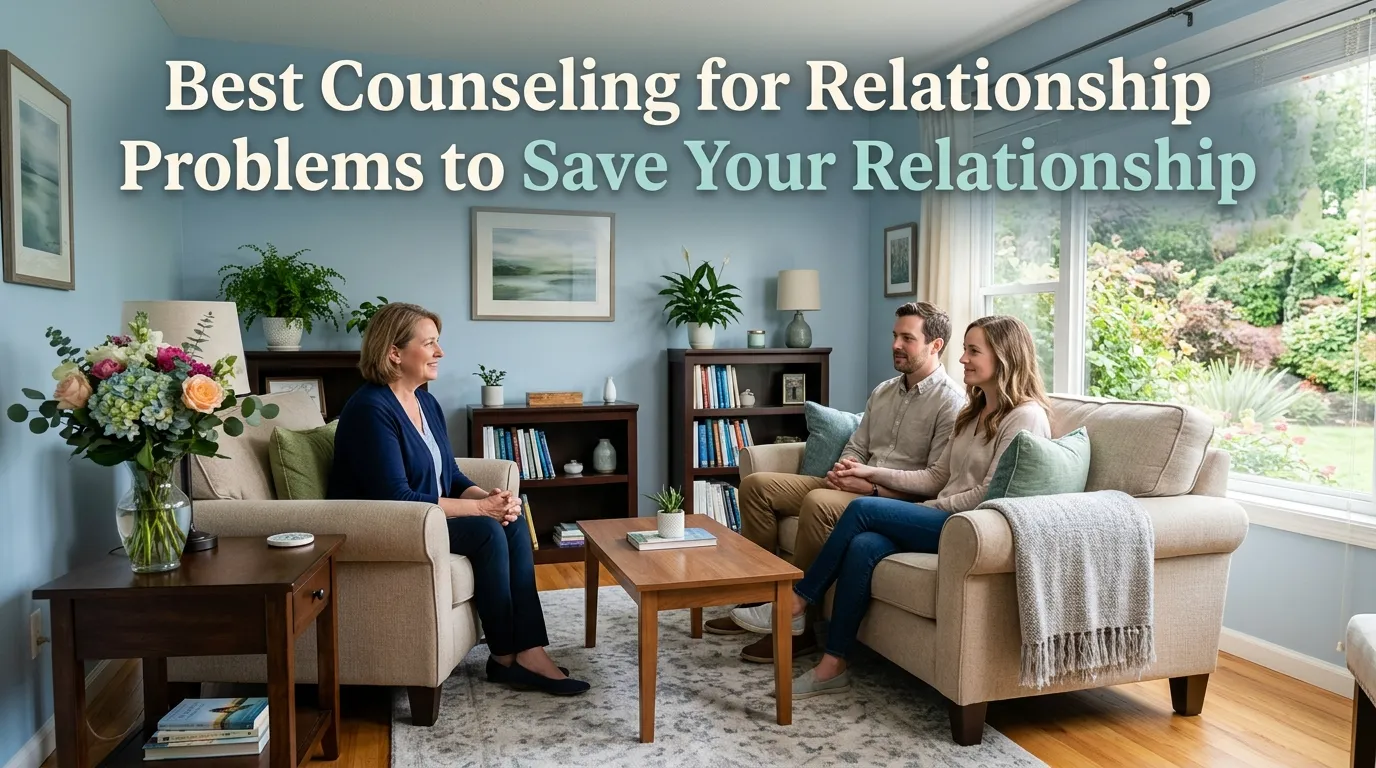
Counselling for relationship problems helps couples improve communication, rebuild trust, and resolve conflicts. It supports emotional healing, strengthens connection, and guides partners toward healthier, more stable, and fulfilling long-term relationships through professional guidance and understanding.
Counselling for relationship problems helps couples overcome emotional distance, misunderstandings, and conflicts that affect their bond. It provides a safe space to express feelings, improve communication, and rebuild trust. With professional guidance, partners learn healthier ways to connect, resolve issues, and strengthen their relationship. This process supports emotional healing and creates a more stable, loving, and understanding partnership over time.
Understanding Relationship Challenges
Every relationship goes through ups and downs, and understanding these challenges is the first step toward emotional healing and long-term stability. Many couples experience miscommunication, unmet expectations, emotional distance, and lack of attention over time. Counselling for relationship problems helps identify the deeper emotional causes behind these issues rather than focusing only on surface-level arguments. A trained counsellor encourages both partners to express their feelings openly and listen with empathy. This reduces misunderstandings and builds emotional awareness. When couples understand the real issues affecting their bond, they can work together to solve them instead of blaming each other. This awareness creates a strong foundation for trust, emotional connection, and a healthier relationship.
Improving Communication Between Partners
Communication is the core of every successful relationship, yet it is often where problems begin. Misunderstandings, assumptions, and emotional reactions can slowly damage even strong bonds. Counselling for relationship problems focuses on improving communication by teaching couples how to express emotions clearly and listen without judgment. Partners learn active listening, respectful dialogue, and emotional expression techniques. Instead of reacting with anger, they are guided to respond calmly and thoughtfully. This reduces conflicts and builds stronger emotional understanding. Over time, communication becomes more open, honest, and supportive. When both partners feel heard and valued, trust naturally grows. Effective communication is not about talking more but about connecting better, which counselling helps couples achieve.
Rebuilding Trust After Conflicts
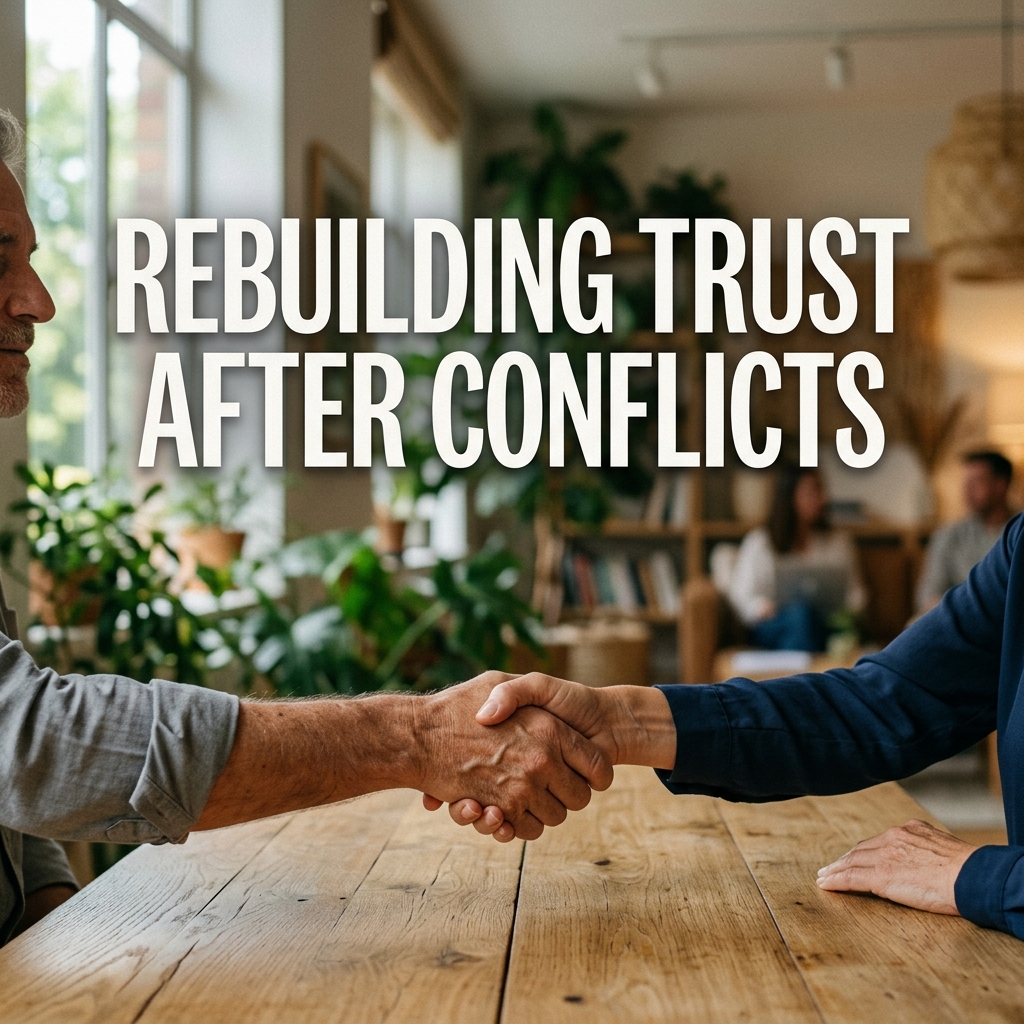 Trust is one of the most important foundations of a relationship, and once broken, it takes time and patience to rebuild. Issues like betrayal, dishonesty, or repeated misunderstandings can weaken emotional connection. Counselling for relationship problems provides structured support to help couples rebuild trust step by step. It encourages honesty, responsibility, and emotional healing from both partners. In a safe environment, couples express their feelings, pain, and expectations without fear. Counsellors guide them with practical trust-building exercises that gradually restore confidence. Instead of rushing forgiveness, the process focuses on emotional repair and understanding. With commitment and consistency, couples can rebuild lost trust and create a stronger, more secure, and loving relationship foundation.
Managing Emotional Stress in Relationships
Emotional stress is a hidden factor that affects many relationships without being noticed at first. Work pressure, financial issues, family responsibilities, and personal insecurities often impact how partners interact. Counselling for relationship problems helps couples manage emotional stress in a healthy and balanced way. It teaches stress management techniques, emotional awareness, and self-control strategies. Partners also learn how to support each other instead of adding pressure during difficult times. Counsellors help individuals identify emotional triggers that lead to conflict. This awareness improves emotional stability and reduces unnecessary arguments. When stress is handled properly, relationships become more peaceful, supportive, and understanding. Emotional balance plays a key role in maintaining long-term love, trust, and harmony between partners.
Resolving Frequent Arguments and Conflicts
Frequent arguments can slowly weaken emotional bonds if they are not managed properly. Many couples fall into repeated conflict patterns over small misunderstandings or unmet expectations. Counselling for relationship problems helps identify the root causes of these conflicts instead of focusing on blame. Couples are taught healthy conflict resolution skills that promote calm and respectful communication. Counsellors guide partners to express disagreements in a constructive way without hurting each other emotionally. This creates a more positive and solution-focused approach to relationship issues. Over time, arguments become less intense and more meaningful. When conflicts are resolved properly, relationships become more stable, respectful, and emotionally satisfying, helping couples grow closer instead of drifting apart.
Strengthening Emotional Connection
 Emotional connection is the heart of a strong and lasting relationship. When this connection weakens, partners may feel distant even while living together. Counselling for relationship problems helps rebuild emotional closeness through guided conversations and supportive exercises. Couples are encouraged to share thoughts, feelings, and memories openly. Emotional bonding activities help bring back affection, care, and understanding. Counsellors also help identify emotional needs that may not be fully met in the relationship. Once these needs are understood, partners can support each other more effectively. Strengthening emotional connection builds warmth, trust, and closeness. Over time, this improves relationship satisfaction and helps partners feel more valued, respected, and emotionally secure with each other.
Developing Healthy Relationship Habits
Building a strong relationship requires consistent healthy habits that support emotional connection and understanding. Counselling for relationship problems often focuses on creating daily routines that improve trust, communication, and respect between partners. Small positive actions like appreciation, honesty, and active listening can make a big difference over time. When couples practice healthy habits regularly, misunderstandings reduce, and emotional bonding becomes stronger. These habits also help partners feel valued and secure in the relationship. Over time, consistent effort builds a stable foundation where love and trust can grow naturally, making the relationship more balanced and long-lasting.
Key Healthy Habits
- Daily appreciation and gratitude
- Honest and open communication
- Active listening without interruption
- Respecting personal space
- Expressing emotions calmly
- Spending quality time together
| Habit | Benefit | Result |
|---|---|---|
| Appreciation | Builds positivity | Strong emotional bond |
| Communication | Reduces misunderstandings | Better understanding |
| Listening | Improves empathy | Stronger trust |
| Quality time | Increases closeness | Emotional connection |
Overcoming Trust and Attachment Issues
Many relationships struggle with insecurity, jealousy, or fear of abandonment, which often come from attachment issues. These emotional patterns can create misunderstandings and distance between partners. Counselling for relationship problems helps individuals understand their attachment styles and emotional behaviours. It provides practical tools to reduce insecurity, manage overthinking, and build emotional confidence. Partners learn to trust without fear and love without controlling each other. Counsellors guide couples to replace negative thoughts with healthy communication and understanding. This reduces emotional tension and improves relationship balance. By addressing attachment issues, couples develop stronger emotional independence while maintaining connection. Overcoming these challenges leads to deeper trust, emotional security, and a more stable and supportive relationship.
Building Long-Term Relationship Goals
 A strong relationship needs shared goals, vision, and mutual understanding of the future. Without a common direction, couples may slowly grow apart. Counselling for relationship problems helps partners discuss their long-term expectations openly and honestly. These discussions include family planning, career goals, financial stability, and emotional priorities. Counsellors guide couples to align values and set realistic goals that they both agree on. This improves teamwork and reduces future misunderstandings. When couples work toward shared goals, their relationship becomes more focused and committed. Long-term planning also builds trust and emotional security. It helps partners grow together instead of separately, strengthening their bond and supporting both personal and relationship development over time.
Role of Professional Counsellors in Healing Relationships
Professional counsellors play an important role in guiding couples through emotional challenges and relationship struggles. Counselling for relationship problems provides structured support where experts help partners understand their emotions, behaviour patterns, and communication gaps. Counsellors remain neutral and help both individuals express themselves freely without judgment. This safe environment encourages honesty and emotional healing. They also suggest practical strategies to resolve conflicts and rebuild trust step by step. With expert guidance, couples can break negative cycles and develop healthier relationship patterns. Counsellors not only help solve current issues but also teach long-term skills for maintaining a strong and happy relationship.
Counsellor Support Areas
- Conflict resolution guidance
- Emotional healing support
- Communication improvement techniques
- Trust rebuilding strategies
- Stress and anger management
- Relationship goal setting
| Support Area | Counsellor Action | Outcome |
|---|---|---|
| Communication | Teaches expression skills | Clear understanding |
| Trust issues | Builds step-by-step plans | Restored confidence |
| Conflict | Provides resolution methods | Reduced arguments |
| Emotional stress | Offers coping strategies | Mental stability |
Maintaining a Healthy and Happy Relationship
Maintaining a healthy and happy relationship requires continuous effort, care, and emotional understanding from both partners. Small daily habits like appreciation, respect, and honest communication make a big difference in long-term happiness. Counselling for relationship problems teaches couples how to maintain emotional connection even after resolving major issues. It encourages regular emotional check-ins and healthy communication practices. Counsellors help partners stay aware of each other’s needs and feelings to prevent misunderstandings from building up. Healthy relationships are not perfect but balanced with mutual effort and respect. With the right mindset and ongoing support, couples can maintain love, trust, and emotional satisfaction, creating a stable, peaceful, and long-lasting relationship where both partners feel valued and secure.
Conclusion
Counselling for relationship problems is a powerful tool for couples who want to rebuild trust, improve communication, and strengthen emotional bonds. It provides guidance, emotional support, and practical solutions for real-life relationship challenges. Instead of letting problems grow, counselling helps couples address issues early and effectively. With commitment and openness, any relationship can improve and become stronger over time. Choosing counselling is not a sign of weakness but a step toward a healthier and happier future together.
Frequently Asked Questions
1. What is counselling for relationship problems?
Counselling for relationship problems is a professional process where couples receive guidance to solve conflicts, improve communication, and rebuild trust. It helps partners understand emotional issues, resolve misunderstandings, and strengthen their bond through structured support from a trained counsellor.
2. How does relationship counselling help couples?
It helps couples identify root causes of conflicts and teaches healthy ways to communicate. Counselling for relationship problems improves emotional understanding, reduces arguments, and builds trust. It also provides tools to manage stress and maintain a stable, supportive relationship over time.
3. When should a couple seek counselling?
Couples should seek counselling when frequent arguments, emotional distance, or trust issues appear. Counselling for relationship problems is also helpful when communication breaks down or partners feel disconnected. Early support prevents issues from becoming more serious or damaging the relationship.
4. Can counselling save a broken relationship?
Yes, counselling for relationship problems can help repair damaged relationships if both partners are committed. It focuses on rebuilding trust, improving communication, and addressing emotional pain. With effort and honesty, many couples can restore connection and rebuild a healthy relationship.
5. Is relationship counselling only for married couples?
No, counselling for relationship problems is for all types of couples, including dating, engaged, and married partners. It helps anyone facing emotional issues, misunderstandings, or conflicts improve their relationship and build a stronger emotional connection, regardless of status.
6. How long does relationship counselling take?
The duration varies depending on the issues and commitment of the couple. Counselling for relationship problems may take a few sessions or several months. Consistent participation and openness help achieve faster and more effective emotional healing and relationship improvement.
7. Does counselling guarantee relationship success?
Counselling for relationship problems does not guarantee success, but it significantly improves understanding and communication. The outcome depends on both partners’ willingness to change, cooperate, and apply guidance consistently to rebuild trust and emotional connection.
8. Is everything shared in counselling confidential?
Yes, counselling for relationship problems is completely confidential. A counsellor keeps all discussions private unless there is a risk of harm. This safe environment allows couples to express feelings openly without fear of judgment or exposure.
9. What problems can counselling solve in relationships?
Counselling for relationship problems can address issues like communication gaps, trust issues, emotional distance, jealousy, and frequent conflicts. It helps couples understand each other better, manage emotions, and create healthier patterns for long-term relationship stability.
10. How can we prepare for relationship counselling?
To prepare, couples should be open, honest, and willing to listen. Counselling for relationship problems works best when both partners share feelings sincerely and avoid blame. A positive mindset helps achieve a better understanding and a stronger emotional connection.