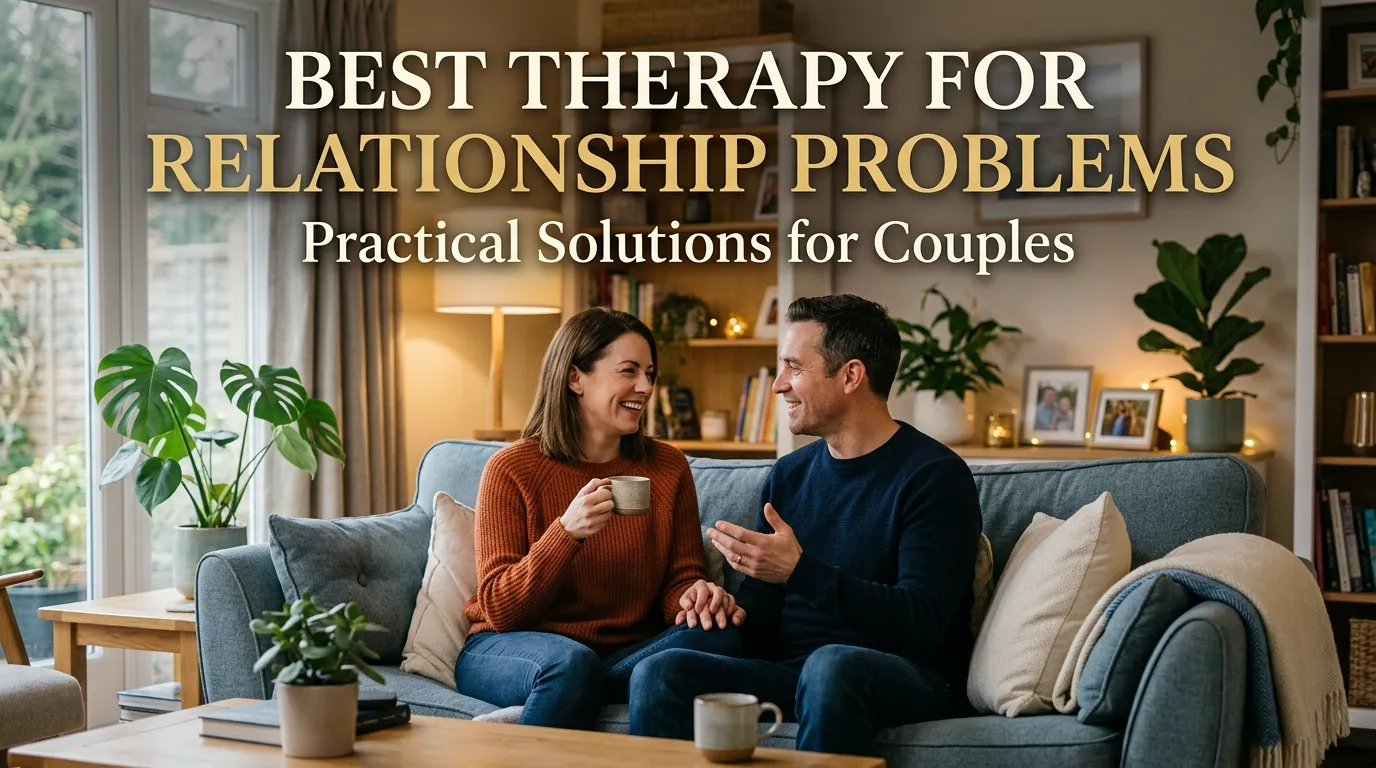
Therapy for relationship problems helps couples improve communication, rebuild trust, and resolve conflicts effectively. It strengthens emotional connection, reduces misunderstandings, and supports healthier, more stable, and long-lasting relationships through guided professional support and practical strategies.
Therapy for relationship problems is a structured approach that helps couples resolve conflicts, improve communication, and rebuild emotional trust. It provides a safe space where partners can openly share feelings and understand each other better. Through guided techniques, couples learn to manage misunderstandings, reduce emotional distance, and strengthen their bond. This process supports healthier, more balanced, and long-lasting relationships built on respect and emotional connection.
Understanding Communication Breakdowns
Communication issues are often the main reason couples struggle in relationships, as partners begin reacting emotionally instead of truly listening to each other. In therapy for relationship problems, couples learn to identify harmful communication patterns such as criticism, blame, defensiveness, and silent treatment that create emotional distance over time. Therapists guide partners to practice active listening, where each person fully understands the other before responding. Couples are also taught how to express feelings in a calm and respectful way instead of using hurtful or defensive language. By improving communication habits, misunderstandings are reduced significantly, and emotional clarity increases. Over time, therapy for relationship problems helps couples build a more open, supportive, and emotionally safe communication style that strengthens their bond.
Rebuilding Emotional Trust
Trust is the foundation of every strong relationship, but once it is broken, rebuilding it requires patience and consistent effort from both partners. In therapy for relationship problems, couples explore the root causes of trust issues such as dishonesty, betrayal, or emotional neglect. Therapists encourage open and honest conversations where both partners can express their emotions without fear of judgment. The healing process focuses on accountability, transparency, and small, consistent actions that gradually restore confidence. Simple behaviors like keeping promises, being emotionally available, and showing reliability play a major role in rebuilding trust. Over time, therapy for relationship problems helps couples restore emotional security and rebuild a stronger, more stable, and more trustworthy relationship.
Managing Emotional Distance
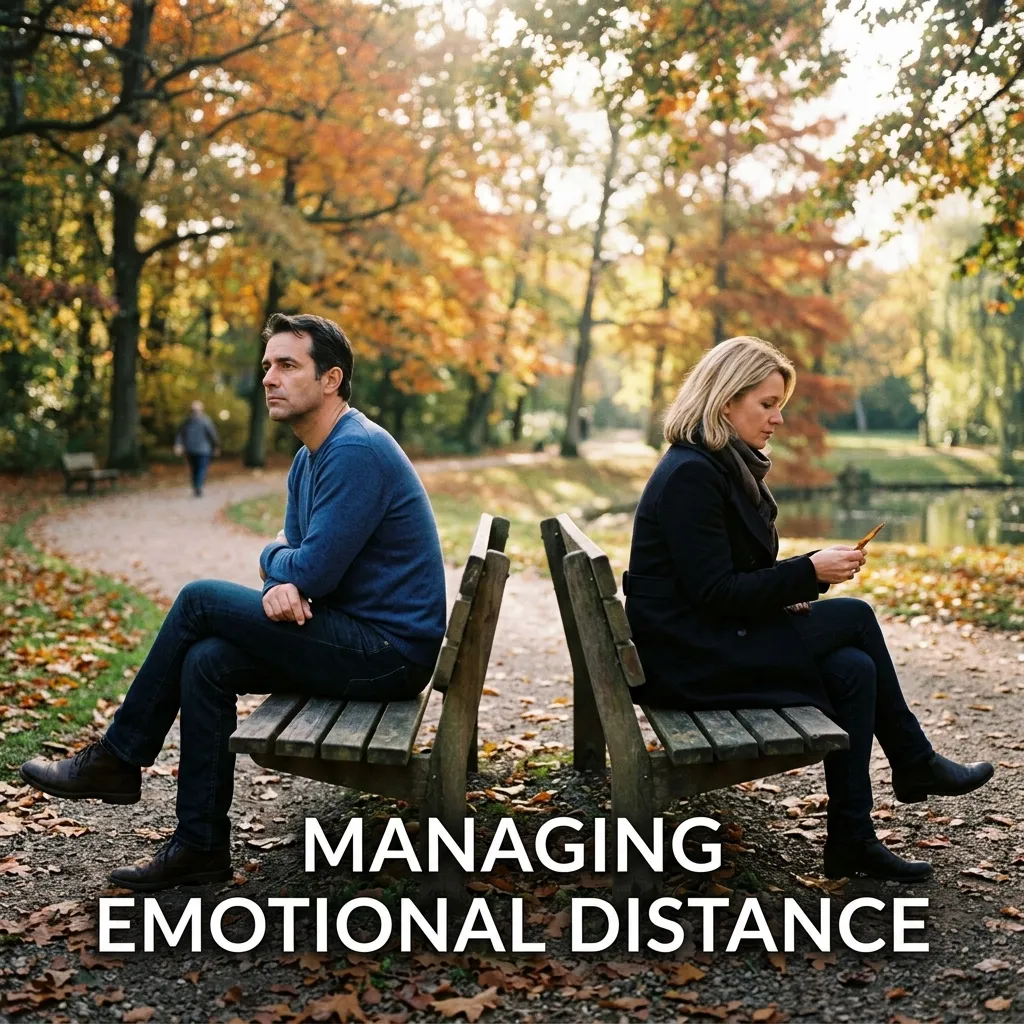 Emotional distance can slowly develop in relationships when partners stop sharing feelings, avoiding deep conversations, or spending meaningful time together. In therapy for relationship problems, couples are guided to identify the reasons behind this disconnection, such as stress, unresolved conflicts, or lack of emotional attention. Therapists help partners reconnect by encouraging honest communication and intentional quality time without distractions like phones or work pressure. Simple habits like talking about daily experiences, showing appreciation, and expressing care can gradually rebuild emotional closeness. Couples are also encouraged to be emotionally open and vulnerable with each other. Through therapy for relationship problems, emotional distance is replaced with warmth, understanding, and a deeper sense of connection between partners.
Conflict Resolution Strategies
Conflicts are a natural part of every relationship, but when they are not managed properly, they can damage emotional well-being and trust. Therapy for relationship problems teaches couples structured and healthy ways to handle disagreements without escalating into arguments. Partners learn to pause before reacting emotionally and focus on understanding the real issue instead of blaming each other. Therapists also help couples shift from “winning arguments” to “solving problems together.” Respectful communication, calm discussions, and empathy are strongly encouraged during conflict resolution. Couples are guided to find solutions that satisfy both partners instead of one-sided decisions. Over time, therapy for relationship problems helps reduce unnecessary fights and builds a more peaceful and cooperative relationship dynamic.
Healing Past Emotional Wounds
Many relationship challenges are influenced by unresolved emotional pain from past experiences, which often affects current reactions and behavior. In therapy for relationship problems, couples are guided to understand how past trauma, rejection, or unhealthy relationships shape their present emotions. Therapists create a safe and supportive environment where both partners can openly share their emotional struggles without judgment. This process encourages empathy and deeper understanding between partners. Forgiveness is also an important part of healing, helping couples release emotional burdens that create tension. By addressing these past wounds together, couples can prevent old pain from damaging their current relationship. Therapy for relationship problems helps partners move forward with emotional clarity, healing, and a stronger connection.
Strengthening Intimacy and Connection
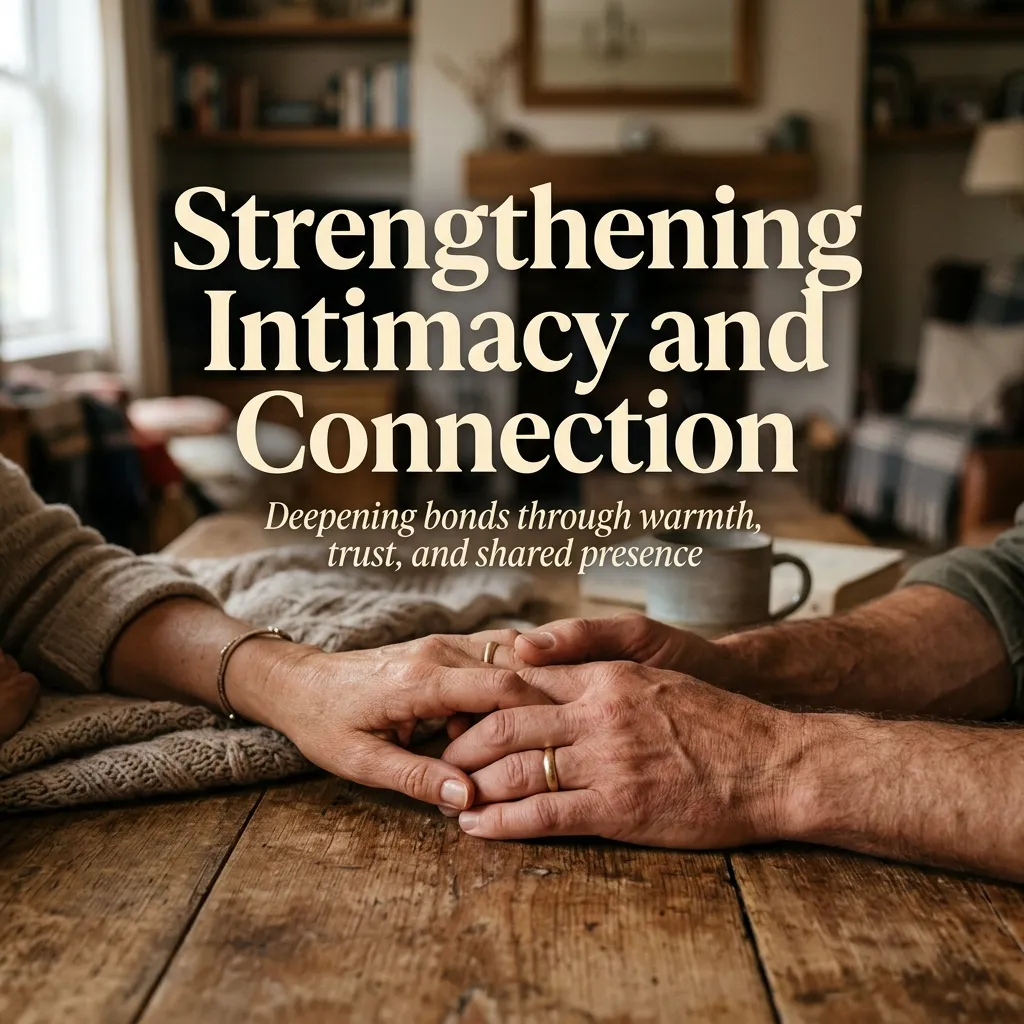 Intimacy in a relationship goes beyond physical closeness and includes emotional understanding, trust, and mental connection. When couples feel disconnected, intimacy naturally weakens over time. Therapy for relationship problems helps partners rebuild this connection by encouraging open communication, emotional sharing, and meaningful time together. Therapists guide couples to rediscover what brought them together and rebuild emotional warmth through small daily efforts like appreciation and active listening. Emotional intimacy grows when both partners feel safe expressing their true thoughts and feelings. As trust improves, physical closeness also becomes more natural and comfortable. Through therapy for relationship problems, couples gradually restore a deeper, more meaningful, and emotionally fulfilling relationship.
Benefits of Therapy for Relationship Problems
Therapy for relationship problems offers many emotional and practical benefits for couples who want to improve their relationship. It helps partners understand each other better, reduce conflicts, and build a stronger emotional connection. With professional guidance, couples can identify unhealthy patterns and replace them with positive behaviors that support long-term stability. It also creates a safe space where both partners feel heard and respected, which improves emotional bonding and trust over time.
Key Benefits:
- Improves communication and active listening skills
- Rebuilds trust and emotional security
- Reduces frequent arguments and misunderstandings
- Strengthens emotional and physical intimacy
- Helps manage stress in relationships effectively
| Area Improved | Positive Outcome from Therapy |
|---|---|
| Communication | Clear, respectful dialogue |
| Trust | Stronger emotional security |
| Conflict handling | Fewer arguments, better solutions |
| Emotional bonding | Deeper connection and intimacy |
Managing Stress and External Pressure
External stress, such as financial challenges, work pressure, or family responsibilities, can heavily impact a relationship if not managed properly. In therapy for relationship problems, couples learn how to face stress as a team instead of allowing it to create distance or conflict between them. Therapists help partners understand how stress affects emotions, often leading to irritability, misunderstandings, or withdrawal. Couples are guided to communicate their stress instead of reacting negatively toward each other. Stress management techniques, emotional support habits, and teamwork approaches are encouraged to reduce tension. When partners support each other during difficult times, their emotional bond becomes stronger. Therapy for relationship problems helps couples stay united even under pressure and external challenges.
Building Healthy Boundaries
 Healthy boundaries are essential in maintaining respect, individuality, and emotional balance in any relationship. Without proper boundaries, couples may feel overwhelmed, controlled, or emotionally drained. Therapy for relationship problems helps partners understand how to set clear and respectful boundaries without creating emotional distance. Couples learn how to express their personal needs while also respecting their partner’s space and individuality. These boundaries include emotional limits, personal time, and communication expectations. Therapists emphasize that boundaries are not restrictions but a way to build healthier and more respectful relationships. When both partners understand and respect each other’s boundaries, misunderstandings decrease, and emotional balance improves. Therapy for relationship problems ultimately helps couples create a healthier and more stable relationship structure.
Signs You Need Therapy for Relationship Problems
Recognizing early signs of relationship issues is important before problems become serious. Therapy for relationship problems is especially helpful when couples feel stuck in repeated conflicts or emotional distance. If communication becomes difficult or trust starts breaking down, seeking help can prevent further damage. Therapy also supports couples who feel unhappy but cannot identify the exact reason behind their dissatisfaction. Early intervention often leads to faster healing and stronger relationship recovery.
Common Signs:
- Frequent arguments without resolution
- Emotional distance or lack of intimacy
- Trust issues or repeated misunderstandings
- Difficulty communicating feelings calmly
- Feeling unhappy or disconnected in the relationship
| Sign | What It Indicates |
|---|---|
| Constant arguments | Poor communication patterns |
| Emotional distance | Lack of connection |
| Trust issues | Broken emotional security |
| Silence or withdrawal | Emotional avoidance |
Developing Long-Term Relationship Skills
Strong and lasting relationships require continuous effort and the development of healthy emotional and communication skills. Therapy for relationship problems focuses on teaching couples long-term skills such as empathy, emotional regulation, problem-solving, and effective communication. These skills also help improve different communication styles in relationships, allowing partners to understand each other’s perspectives more clearly. Couples learn to handle future challenges without repeating the same mistakes. Regular emotional check-ins help prevent small issues from growing into major conflicts. Building habits like appreciation, understanding, and active listening strengthens emotional resilience over time and supports a balanced, healthy long-term relationship where both partners grow together.
Conclusion
In conclusion, therapy for relationship problems offers couples a practical and supportive path to rebuild trust, improve communication, and strengthen emotional connection. Instead of letting misunderstandings and conflicts grow, therapy helps partners understand each other deeply and work together toward healing. With consistent effort, couples can improve communication, resolve conflicts peacefully, heal emotional wounds, and build stronger intimacy. The success of any relationship depends on patience, commitment, and willingness from both partners to grow together. Therapy for relationship problems is not just about fixing issues—it is about creating a healthier, more balanced, and more fulfilling relationship for the long term.
Frequently Asked Questions
1. What is therapy for relationship problems?
Therapy for relationship problems is a professional counseling process that helps couples understand conflicts, improve communication, and rebuild emotional connection. It provides a safe space to discuss issues openly and find healthier ways to strengthen and maintain a stable relationship together.
2. How does therapy for relationship problems work?
It works through guided sessions where a therapist helps couples identify issues, understand emotional patterns, and improve communication. Partners learn practical tools to resolve conflicts, express feelings better, and rebuild trust, creating a more balanced and supportive relationship over time.
3. Can therapy for relationship problems save a broken relationship?
Yes, therapy for relationship problems can help repair strained relationships if both partners are willing to participate honestly. It focuses on rebuilding trust, improving understanding, and resolving deep emotional issues, which can significantly improve relationship stability and connection.
4. How long does relationship therapy usually take?
The duration of therapy for relationship problems depends on the severity of issues and the couple’s commitment. Some couples see improvement in a few sessions, while others may need months of consistent therapy to fully rebuild trust and communication patterns.
5. What issues are treated in relationship therapy?
Therapy for relationship problems addresses communication issues, trust problems, emotional distance, conflicts, infidelity, and stress-related challenges. It also helps couples improve intimacy, set boundaries, and develop healthier emotional habits for long-term relationship growth and stability.
6. Do both partners need to attend therapy?
Ideally, both partners should attend therapy for relationship problems to achieve better results. However, even if one partner starts alone, positive changes can still happen. Joint participation allows better communication, mutual understanding, and faster emotional healing.
7. Is relationship therapy confidential?
Yes, therapy for relationship problems is completely confidential. Therapists are ethically bound to protect client privacy. Everything discussed during sessions stays private, allowing couples to express emotions freely without fear of judgment or outside exposure.
8. Can therapy improve communication between couples?
Yes, therapy for relationship problems significantly improves communication by teaching active listening, emotional expression, and respectful dialogue. Couples learn how to avoid blame, reduce misunderstandings, and communicate feelings healthily and constructively.
9. What if only one partner wants therapy?
Even if only one partner joins therapy for relationship problems, positive changes can still occur. The individual can learn better communication skills, emotional control, and relationship strategies, which may eventually encourage the other partner to join as well.
10. When should couples seek relationship therapy?
Couples should consider therapy for relationship problems when they experience frequent arguments, emotional distance, trust issues, or communication breakdowns. Early intervention helps prevent small issues from becoming serious conflicts and supports healthier long-term relationship development.