
Understanding What Boundaries Really Mean
To set boundaries in a relationship effectively, you must first understand what boundaries actually are. Boundaries are emotional, physical, and mental limits that define your comfort level in any relationship. They help protect your well-being and maintain respect between partners. When you set boundaries in a relationship, you are not pushing your partner away; instead, you are creating a healthy structure for love to grow. Many people confuse boundaries with control, but they are very different. Boundaries focus on self-respect, not controlling others. By understanding this difference, you can begin to set boundaries in a relationship without fear or guilt. Healthy boundaries ensure both partners feel safe, valued, and emotionally balanced in the relationship.
Why Guilt Happens When You Set Boundaries
Many people feel guilty when they try to set boundaries in a relationship because they fear disappointing their partner or causing conflict. This guilt often comes from past experiences, upbringing, or people-pleasing habits. When you set boundaries in a relationship, you might worry that you are being “too strict” or “selfish,” but this is not true. Guilt is a natural emotional response, not a sign that you are doing something wrong. Understanding where this guilt comes from helps you manage it better. Instead of avoiding boundaries, you should remind yourself that healthy love requires mutual respect. When you set boundaries in a relationship, you are actually improving emotional safety and long-term connection, not damaging it.
Identifying Your Personal Limits
 Before you set boundaries in a relationship, you need to clearly understand your personal limits. Ask yourself what makes you feel uncomfortable, stressed, or disrespected. These feelings are important signals that help define your boundaries. When you set boundaries in a relationship, clarity is key—because unclear limits lead to misunderstandings. Take time to reflect on emotional, physical, and time-related needs. For example, you may need personal space, honesty, or respect during disagreements. Once you identify these limits, you can communicate them more confidently. Setting boundaries in a relationship becomes easier when you know exactly what you need. This self-awareness helps you protect your emotional health and build stronger, more respectful connections with your partner.
Communicating Boundaries Clearly and Calmly
One of the most important steps to set boundaries in a relationship is learning how to communicate them clearly. Avoid blaming or aggressive language. Instead, use calm and honest communication. When you set boundaries in a relationship, focus on “I” statements such as “I feel uncomfortable when…” or “I need some time for myself.” This reduces conflict and increases understanding. Clear communication helps your partner understand your needs without feeling attacked. It is also important to be consistent and confident when expressing boundaries. If you hesitate, your message may become unclear. Practicing calm communication makes it easier to set boundaries in a relationship without guilt or fear, creating a more respectful and supportive environment for both partners.
Overcoming the Fear of Rejection
Fear of rejection is one of the biggest reasons people struggle to set boundaries in a relationship. Many worry that their partner might get upset or leave. However, healthy relationships are built on honesty and respect, not fear. When you set boundaries in a relationship, the right partner will understand and respect your needs. It is important to accept that not everyone will respond positively, and that is okay. Boundaries help filter out unhealthy dynamics and strengthen genuine connections. Instead of fearing rejection, focus on self-respect and emotional safety. When you set boundaries in a relationship with confidence, you attract healthier communication and stronger emotional bonds that support your long-term happiness.
Saying No Without Feeling Guilty
 Learning to say no is a powerful part of how you set boundaries in a relationship. Many people feel guilty when they refuse requests, but saying no is a form of self-respect. When you set boundaries in a relationship, you are allowed to prioritize your emotional and physical well-being. Saying no does not mean you do not care; it means you understand your limits. Practice saying no politely but firmly, without over-explaining or apologizing excessively. This helps reduce guilt over time. The more you practice, the easier it becomes to set boundaries in a relationship confidently. Healthy relationships accept “no” as a normal and respectful part of communication, not as rejection or conflict.
Practical Steps to Maintain Healthy Boundaries Daily
To successfully set boundaries in a relationship, it is not enough to communicate them once—you must maintain them daily. Consistency is what makes boundaries effective. When you set boundaries in a relationship and follow through, you build trust and clarity. Daily habits like honest communication, self-awareness, and emotional control help strengthen your boundaries over time. This ensures that both partners understand and respect each other’s limits without confusion or conflict.
Daily Practices
- Communicate openly about feelings and needs
- Stay consistent with your personal limits
- Take time for self-reflection
- Avoid over-explaining your boundaries
- Respect your partner’s boundaries as well
| Time/Situation | Action | Purpose |
|---|---|---|
| Morning | Self-reflection | Understand emotional needs |
| During conflict | Calm communication | Prevent misunderstandings |
| Daily interaction | Express needs clearly | Maintain respect |
| Personal time | Engage in self-care | Restore emotional balance |
Respecting Your Partner’s Boundaries Too
When you set boundaries in a relationship, it is equally important to respect your partner’s boundaries. Healthy relationships are built on mutual understanding and balance. If you expect your boundaries to be respected, you must also respect theirs. This creates trust and emotional equality. Setting boundaries in a relationship is not a one-way process; it requires both partners to listen and adjust. Respecting each other’s limits helps avoid misunderstandings and reduces unnecessary conflict. It also strengthens emotional intimacy because both people feel safe and valued. When both partners set boundaries in a relationship and honor them, the relationship becomes more stable, mature, and supportive over time.
Handling Resistance From Your Partner
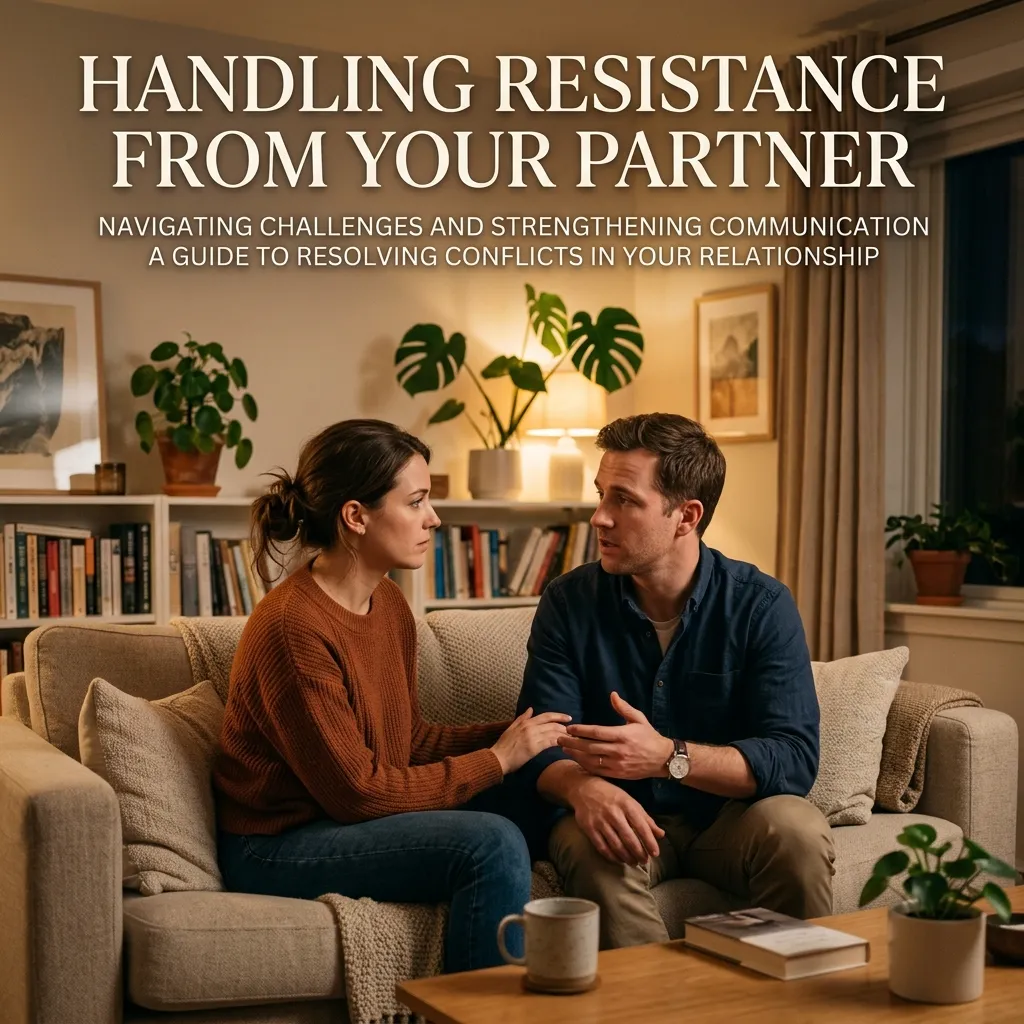 Sometimes, when you set boundaries in a relationship, your partner may resist or question them. This is normal, especially if boundaries are new. The key is to stay calm and consistent. When you set boundaries in a relationship, avoid giving in just to prevent conflict. Instead, gently reinforce your needs and explain why they matter. Resistance often comes from misunderstanding, not rejection. Over time, healthy communication helps your partner adjust. If resistance continues, it may indicate deeper issues in the relationship that need attention. Setting boundaries in a relationship is not about winning arguments but about maintaining emotional well-being and respect. Stay patient but firm in your decisions.
Signs You Need to Set Boundaries in a Relationship
Sometimes people don’t realize when it’s time to set boundaries in a relationship, but certain emotional and behavioral signs clearly indicate the need. If you often feel drained, disrespected, or unable to express your opinions, your relationship may lack healthy limits. When you set boundaries in a relationship, you protect your emotional energy and restore balance. Ignoring these signs can lead to stress, resentment, and emotional burnout. Recognizing them early helps you take action before problems grow deeper.
Key Signs
- You feel emotionally exhausted after conversations
- Your needs are often ignored or dismissed
- You struggle to say no without guilt
- You feel controlled or pressured
- Your personal space is not respected
| Sign You Experience | What It Means | Action Needed |
|---|---|---|
| Emotional exhaustion | Lack of emotional balance | Set emotional boundaries |
| Feeling ignored | Lack of respect | Improve communication |
| Difficulty saying no | People-pleasing behavior | Practice assertiveness |
| Feeling controlled | Over-dependence or control issues | Set clear limits |
Building Confidence Through Boundaries
As you continue to set boundaries in a relationship, you will notice increased confidence and emotional strength. Boundaries help you understand your worth and reinforce self-respect. When you set boundaries in a relationship, you begin to value your needs without guilt or fear. This confidence improves communication and reduces emotional stress. You stop over-giving and start building balanced relationships. Confidence grows when you see that healthy boundaries are respected and accepted. Over time, setting boundaries in a relationship becomes a natural habit rather than a struggle. This emotional growth leads to healthier love, better understanding, and stronger personal identity within the relationship.
Conclusion
To set boundaries in a relationship without guilt is essential for creating a healthy and respectful connection. Boundaries are not about controlling your partner but about protecting your emotional well-being and maintaining balance. When you set boundaries in a relationship, you improve communication, build trust, and reduce misunderstandings. Although guilt may appear at first, it fades with practice and self-awareness. A strong relationship respects both partners’ needs and limits. Ultimately, learning to set boundaries in a relationship helps you build deeper love, emotional stability, and long-term happiness together.